
Is My Voice Welcome Here?
by Shay Eveland
In my early twenties, I attended a megachurch that would later make national headlines. I once would have described my religious trauma as a story about that church. What interests me now is how easily those old teachings can still be triggered. I can once again become that twenty-something woman who believes she needs to submit and do what she is told.
I was a new believer, so naturally, I asked questions. I quickly learned that questioning authority was not something I was supposed to do. I was taught that God had placed leaders in their positions, and my job was to follow. When I questioned the pastor, I was told to pray for him instead. When I needed to speak with him, I was instructed to be humble and submissive because being opinionated or bold would be a problem. I learned to pray rather than disagree. Being bold or outspoken could make me sinful or disrespectful.
Those teachings had serious consequences. Even when I experienced abuse in my marriage, I was taught to seek peace. At one point, the pastor told me to move on and stop punishing my husband for his past abuse. I wasn't trying to punish him. I was trying to protect myself and our children.
Years passed. I left that church, did a tremendous amount of healing, and thought I understood religious trauma and unhealthy systems much better.
Then, not too long ago, I became part of a group joined around a common purpose. We were helping our community. We were called family. We were friends. I was wanted. Hook, line, and sinker, I believed in the goodness this group could bring.
Over time, however, things increasingly felt off. There was a lack of clarity, and rules seemed to appear that no one had agreed to. Things would change without conversation. Because I believed these people were loving and committed to healing, I thought surely I could ask for clarity.
Yet an old fear kept surfacing. What if I get in trouble? What if my questions are always problematic?
I told myself these were old fears. But an earlier private meeting with the leader had left me deeply ashamed, and other suggestions had left me feeling quickly put back in my place. I wondered whether my voice was unwelcome. Or maybe I was just confused because of my past trauma.
Eventually, at my request, the group held a meeting. I asked that everyone be present because others had questions about our roles, and people seemed to be receiving different information privately. I needed shared context. I was nervous, but I trusted these people. Even if the conversation became messy, they were worth it.

PC Shay Eveland
During the meeting, I was told I had been disrespectful in how I raised my concerns. Matthew 18 was brought up, and I was told I should have addressed the leader privately. Matthew 18 was not neutral language for me. In the church of my twenties, I had been taught that if you have a problem with someone, you go directly and privately to them. Failing to follow the Bible is sin. So I didn't simply hear, “there might have been a better way to handle this.” I heard that I had sinned. I heard that I had harmed people. I heard that I had failed to be respectful and submissive enough.
Private conversation was precisely what I did not feel safe doing. I had first known this leader through my church, where she served as a Christian lay counselor and prayer minister, and later trusted her as a counselor and coach with some of the most vulnerable parts of my story. She knew how authority, shame, and submission had affected me, and now she was also in a leadership role over me. An earlier private conversation had left me unable to question what she was saying. Those overlapping roles and the power difference between us were part of why I had asked for shared context.
Still, nobody in the room questioned what was happening. If these women who cared about trauma and abuse believed I was the problem, surely I must be the problem. I was also repeatedly told that I was loved. But in that room, love felt like correction. If these people loved me, perhaps questioning them was evidence that something was wrong with me.
By the end of the meeting, I was overwhelmed and crying. Then I was prayed for and offered communion. Everything in me wanted to say no.
But what kind of Christian refuses prayer and communion? After being told I had handled things incorrectly, refusing felt like further proof that I was difficult, sinful, and unwilling to follow the Bible.
So again, I submitted. I closed my eyes, allowed myself to be prayed for, and took communion. I stayed afterward because I didn't want anyone to think I was avoiding them. Most of the women would not speak to me or make eye contact before they left. I walked away deeply ashamed, thinking: I should have kept my mouth shut.
Receiving communion gave me hope that I still belonged and we would work through what had happened. I had been taught that this community valued rupture and repair. I assumed that would apply to us as well.
It didn't.
Another meeting was scheduled, but this time we were told only the leader would be allowed to speak. I initially declined because too much remained unresolved. I was then told that had been my final chance. When I explained that I had not known attendance was required and would attend, I was told it was no longer an option and I had been released. Most of the people I had considered my closest friends never spoke to me again.
I grieved deeply. At my lowest point, I didn't want to be alive. I had believed these were people who would stay and work through hard things with me. I regretted raising my concerns and believed I could have kept those relationships by staying quiet.
For a while, I knew questions weren't inherently wrong but remained convinced I must have asked them the wrong way. Surely there was a sufficiently respectful, humble, submissive way to ask. I simply hadn't found it.
Therapy helped me make sense of what had happened. Knowing others had also left reassured me that I had not imagined everything. But eventually I began to understand something more important: I don't need a jury to tell me that I am allowed to ask a question.
I still struggle to trust myself. My perceptions do not have to be infallible to be worth exploring. I can misunderstand something and still ask about it. I can be wrong and still deserve clarity. If a system cannot tolerate being questioned, perhaps the questions are not the biggest problem.
I have also reconsidered what it means for a community to be safe or trauma-informed. Safety does not mean agreement or the absence of conflict. It means questions can be asked without threatening someone's belonging. Power differences can be acknowledged, confusion explored, and disagreement does not automatically become disrespect. Someone can say, “I don't want prayer right now,” or “I don't want to take communion while this remains unresolved,” without that “no” becoming evidence against their character or faith. A trauma-informed community does not have to protect me from uncomfortable conversations. But it should make room for my voice, my questions, and my no.

Today, I would tell the woman sitting in that meeting that she was allowed to be confused, ask for shared context, say no, and leave. Most of all, being loved did not mean she had to stop asking whether something was wrong.
I forgive myself for what I didn't know then, for making myself small because I feared losing people I loved, and for rocking the boat by asking difficult questions.
In fact, I invite myself to do it again.
I used to believe that asking difficult questions made me disrespectful. Then I believed that perhaps questions were acceptable, but I simply hadn't learned to ask them correctly.
Now I believe something different.
Questions are not inherently disrespectful. Neither is disagreement. I don't have to be right for my perspective to be worth exploring, and other people don't have to agree with me for my voice to matter. I am allowed to ask questions. I am allowed to disagree. And sometimes, I am allowed to simply say no.
Perhaps that is what I was most afraid to believe: that my voice still mattered even when it disappointed people I loved.
I hope I keep asking questions. I hope I am willing to disagree. And I hope the next time everything in me wants to say no, I trust myself enough to say it.
Because if belonging requires me to silence my own voice, I need to question that kind of belonging.
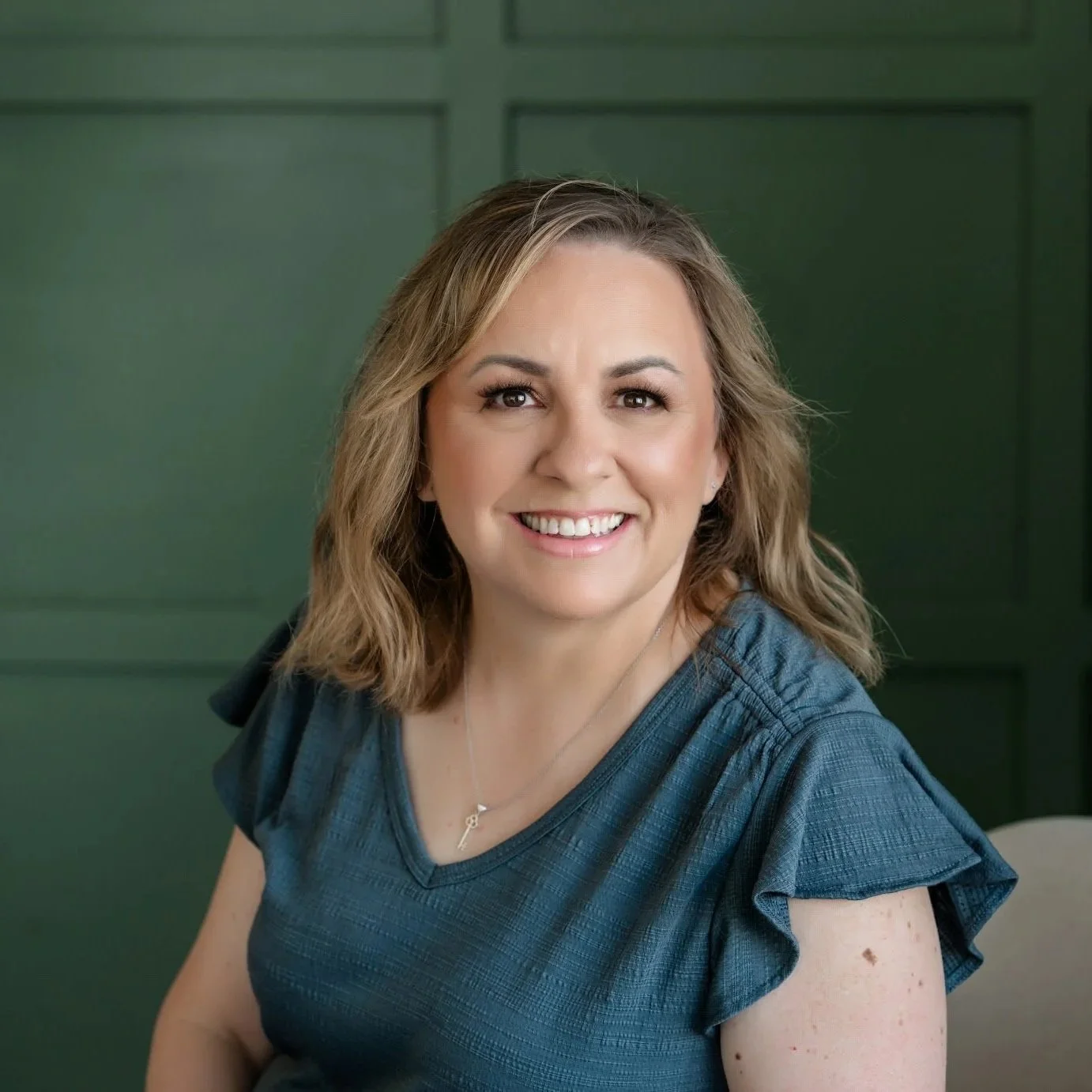
About the Guest Author:
Shay Eveland is a registered nurse, PMHNP graduate student, spiritual director, and trained in narrative-focused trauma care. Her writing explores trauma, healing, identity, faith, relationships, and the complicated process of learning to trust our own voices again. She is especially interested in the ways our stories and relationships shape what we believe about ourselves and what healing can look like.
Disclaimer:
The views, thoughts, and opinions expressed in guest blog posts are those of the individual authors and do not necessarily reflect the positions of the Religious Trauma Network. We recognize that each person’s healing journey is unique, personal, and courageous. The stories shared here belong solely to the contributors, and their experiences, perspectives, and advice may not apply to everyone. We encourage readers to honor their own paths and seek professional support as needed.