
When the Spirit Soared and the Body Broke: A Journey of Somatic Reclamation
by Lorraine Kane
For years after my accident, I lived in two separate realities.
In one reality, I carried the memory of a perfect, unconditional love. In the suspended stillness after my car was crushed, I had been held by a Presence so vast and loving that it felt like the source of all existence. It was an experience of pure Spirit, of being known and loved completely, beyond the limits of a body.
In the other reality, I was trapped in a body that had become a prison. My bones were shattered, my nerves screamed, and every physical therapy session was a battle against a flesh that felt like it had betrayed me. The peace I had glimpsed felt like a taunt, a beautiful dream I couldn't wake into.
My spiritual experience told me I was whole, beloved, and free. My body told me I was broken, trapped, and in constant pain. I did not know how to hold these two truths together.
For a long time, I tried to live only in the spirit. I leaned into the theology I had absorbed in church—the idea that our true selves are separate from these "earthly tents," that the spirit could soar while the body was left behind. This was a form of spiritual bypassing I didn't recognize at the time. I tried to pray my way out of pain, to meditate my way out of trauma. I told myself that if I could just reconnect with that moment of divine love, my physical suffering would no longer matter.
But my body refused to be bypassed.
It held the score of the crash in ways my mind could not. It froze in fear at unexpected sounds. It remained hypervigilant, flooded with cortisol, unable to find rest. Chronic tension settled into my shoulders, a permanent wince against a world that felt unsafe. I experienced the classic freeze response of trauma—not as a memory, but as a constant state of being. My body was living proof that the trauma was not over.
The shame was immense. I felt I was failing at my own spirituality. If God's love was real, why did my body feel so utterly abandoned? Had I done something wrong? Was my faith insufficient? The very theology that had once comforted me—"mind over matter," "spirit over flesh"—became another layer of wounding. It told me that my body's pain was evidence of a spiritual failing.
My journey toward healing only began when I stopped trying to leave my body behind and finally turned to face it.
It started with tiny, almost invisible acts of attention. A physical therapist, not a pastor, was my first guide. She taught me to notice not what my body couldn't do, but what it was doing in any given moment—a slight shift of weight, a small release of tension. This was my first lesson in grounding, in coming back into the present moment through sensation rather than thought.
Slowly, I discovered other practices. Gentle movement that wasn't about forcing progress but about listening. Breathwork that helped me notice where my breath stopped short—usually where fear was lodged. I learned to track the sensations of hypervigilance without judging them, to let the freeze response thaw, moment by moment, in the safety of my own awareness.
Reclaiming my body after years of religious conditioning that dismissed it has been a long, quiet revolution. It has meant unlearning the idea that my flesh is a temporary problem to be overcome. It has meant allowing my body to be not just the container for my trauma, but the vessel for my healing.
I am still learning that the body is not the enemy of the spirit. It is the ground in which the spirit grows. The love I glimpsed in that moment of transcendence was real. But so was the fear locked in my muscles, the grief held in my bones. True integration—true healing—has required me to honor both.
The body remembers. And in its remembering, if we have the courage to listen, it can also teach us how to finally, fully, come home.
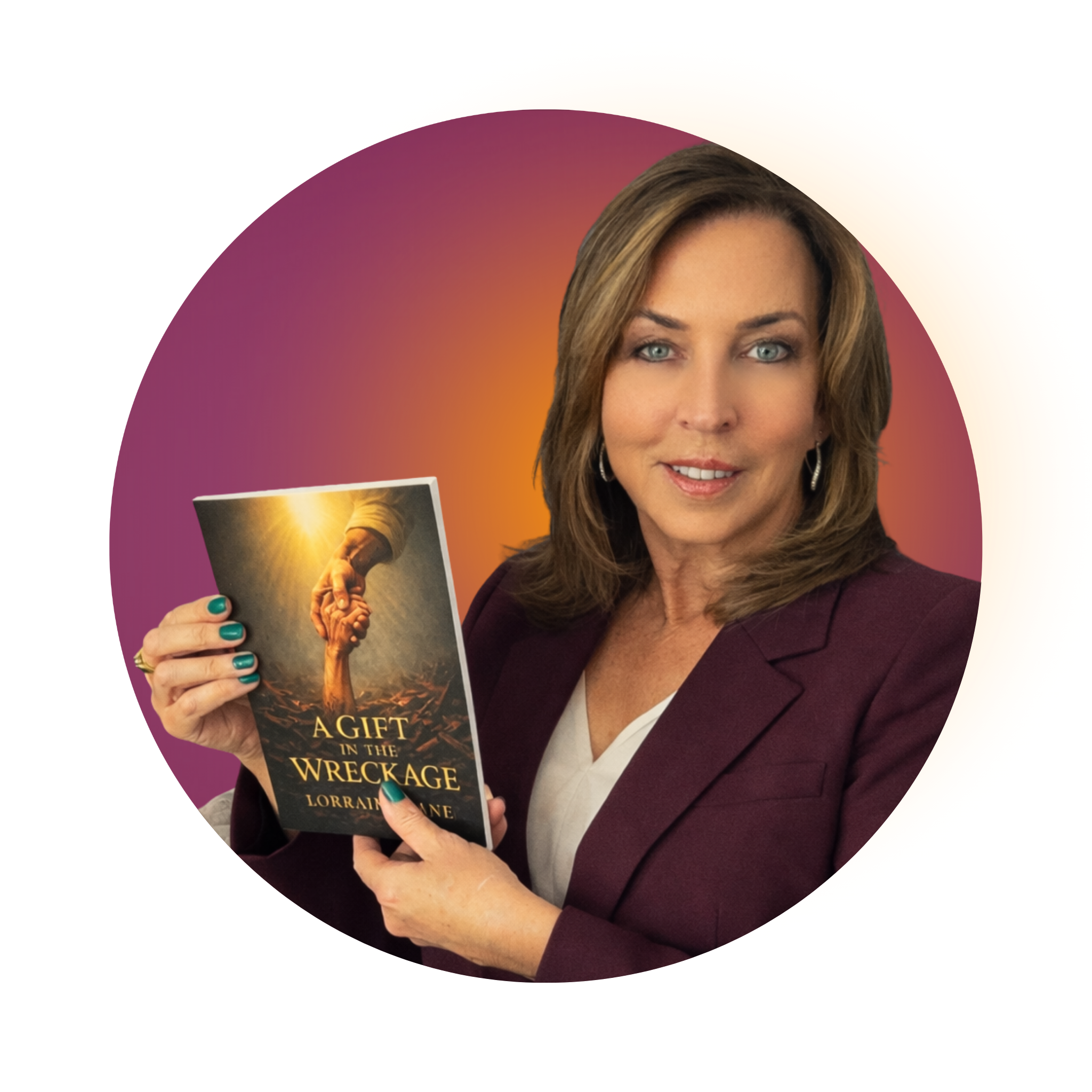
About the Guest Author:
Lorraine Kane is a writer whose life was transformed by a near-fatal accident and a profound spiritual experience. Her work explores the complex intersection of trauma, faith, and the body's slow journey toward healing. She writes and speaks about the long, non-linear path of integrating transcendent moments with embodied, human reality.
Disclaimer:
The views, thoughts, and opinions expressed in guest blog posts are those of the individual authors and do not necessarily reflect the positions of the Religious Trauma Network. We recognize that each person’s healing journey is unique, personal, and courageous. The stories shared here belong solely to the contributors, and their experiences, perspectives, and advice may not apply to everyone. We encourage readers to honor their own paths and seek professional support as needed.