
by Amy Hartman
“God’s got it.”
“All things work together for good.”
“At least she is no longer in pain.”
“God never gives us more than we can handle.”
“Everything happens for a reason.”
“Leave the past in the past.”
Do any of these phrases sound familiar? I heard them over and over and over again (along with many other phrases like these) throughout my life. In fact, I still hear media outlets, well-meaning people, and organizations use phrases like these, especially when faced with a serious concern.
Psychologist John Welwood coined the term “spiritual bypassing” to describe the tendency to use spiritual language to avoid dealing with emotional pain, psychological wounds, vulnerability, or conflict.
By themselves, these phrases may just sound nice or comforting. But in the light of serious issues that impact our lives, bypassing the reality of what surrounds us can lead to frustration, confusion, and even destruction. In today’s article, I want to explore and discuss the impact of this concept of “spiritual bypassing” in my life.
Denial of Emotional Reality
“Faith over fear,” “The spirit is willing, but the flesh is weak,” “Feelings are a lie.”
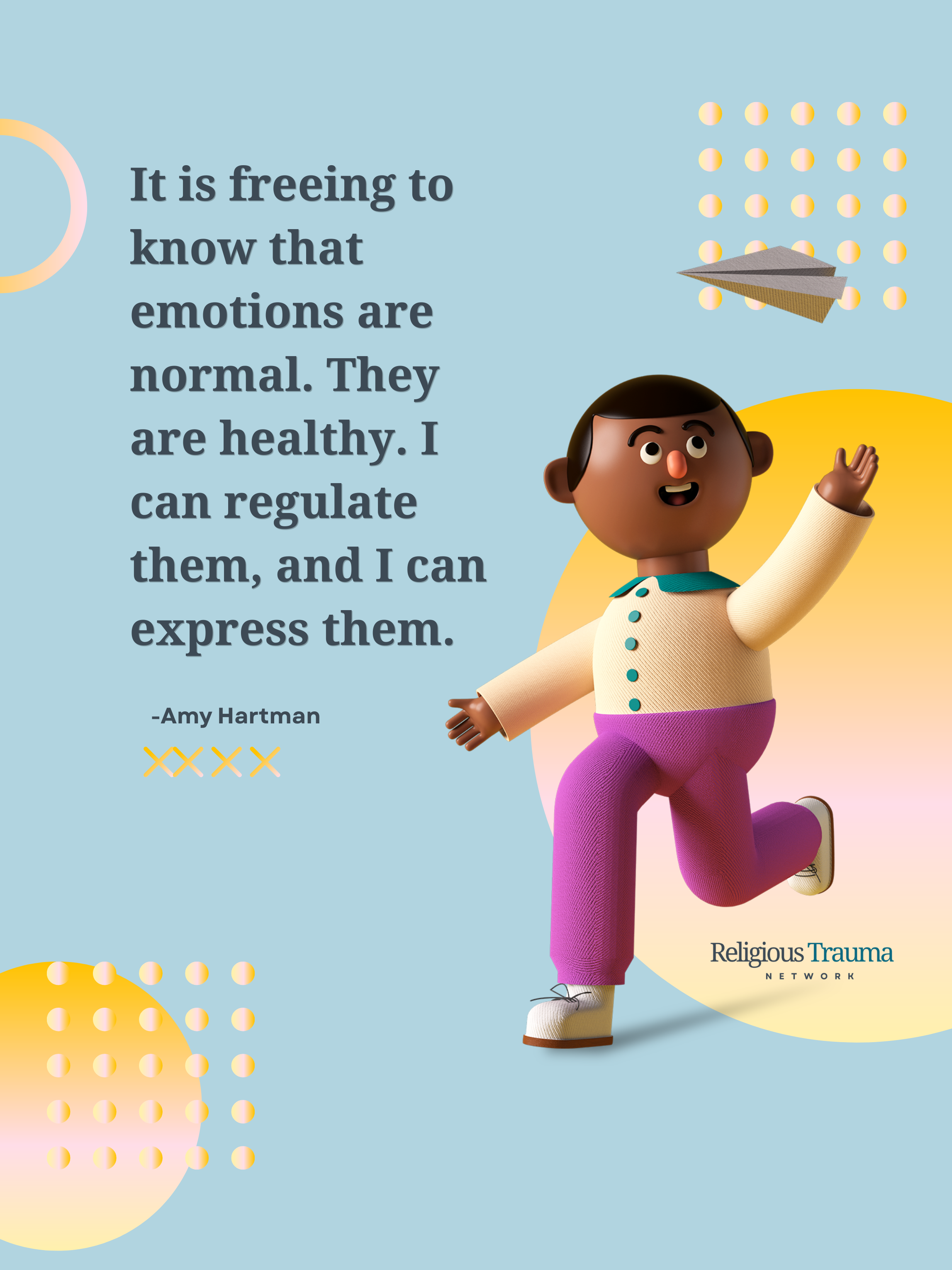
I was actively taught that emotions were indicators of weakness, were not to be trusted, and essentially should not be felt. At all. Therefore, any feeling of emotion that did not “align” with God was sinful. It is freeing to know that emotions are normal. They are healthy. I can regulate them, and I can express them.
Better phrases to use: “your feelings are natural,” “pay attention to how you feel,” “you can express yourself with me.”
Harmful Mental Impact
“You are under spiritual attack,” “You just need to pray more,” “God’s plan is perfect.”
Because anything in life was explained away with a spiritual rationale, I had no room to grieve, to feel pain, or to process through challenging circumstances. I had to “suck it up” and move along, simply writing off any objection I may have. Thankfully, the critical thinking skills my quality instructors had helped me develop began kicking in.. The rationales were losing their sufficiency to answer the ever-increasing complexities of life. I was eventually able to escape a system that had created this psychological damage I am still undoing with the help of trained professionals.
Better phrases to use: “How can I support you during this difficult time?” “I cannot imagine how hard this must be for you,” “I am available to listen to your concerns”
Prevention of Appropriate Communication
“My body is lying to me,” “The mind is the enemy of God,” “Do not be negative.”
When I faced really challenging circumstances, I did not feel liberty to express the truth…phrases like, “I feel,” “I don’t like,” “I need help,” or “I don’t agree” were quietly forbidden. The expectation was to preface or lace my language with expressions that disagreed with what my body, mind, and soul knew to be true. No one really ever knew how I felt, and I realize now that I lived in constant denial of reality. It is so comforting to know that I can be myself fully with people I trust – and without fear that I will “open a door” to anything adverse simply by being an authentic human.
Better phrases to use: “you are safe to talk with me,” “your pain is real,” “how can I help you?”
Unrealistic Expectations
“Christ said we would do greater things than him,” “You are healed or hurt by the words you speak,” “You can do all things through the power of God.”
Spiritual bypassing placed an untenable amount of guilt and shame on my life. It also prevented me from owning my own struggles. I contend with both of these extremes to this day. No longer do I need to dissociate from reality…and reality can be so scary for all of us at times. When an individual or a system places all of the responsibility for a sin-free life on us, we bear a terrible burden…a burden that we are not meant to bear.
Better phrases to use: “one day at a time,” “what is the next best step for you?” “there is no shame in what you are experiencing”
False Representation of Truth
“Speak only positives,” “Give a praise report,” “Everything is all right by faith.”
It is true that we can create - and even live in - our own perceived reality. When the facade crumbles, however, it can lead to disastrous consequences. Bypassing the truth about a situation or a conflict or a current state of affairs was a regular occurrence around me. We were not “allowed” to speak of anything negative, as it could come true by the confession of our mouths. Therefore, we essentially spoke lies – half-truths, answers or turnarounds or preferred outcomes as if they really had happened. This created a false sense of security, along with permission to essentially be dishonest and disingenuous about our lives. I now understand that speaking the truth about a situation is not sinful. It is honest and gives others the opportunity to walk alongside us.
Better phrases to use: “Listen to your body, your heart, and your soul,” “I care for you/love you just as you are,” “You can do this.”
Conclusion
Having faith does bring with it an added level of responsibility to treat others and ourselves with the same humility, kindness, and love that we believe was demonstrated to us. Very often, in our attempt to appease or justify situations others face, we create great harm by using spiritual terms to bypass the hard reality of our lives. It is our responsibility to own our struggles and to help others own theirs.
About the Guest Author:
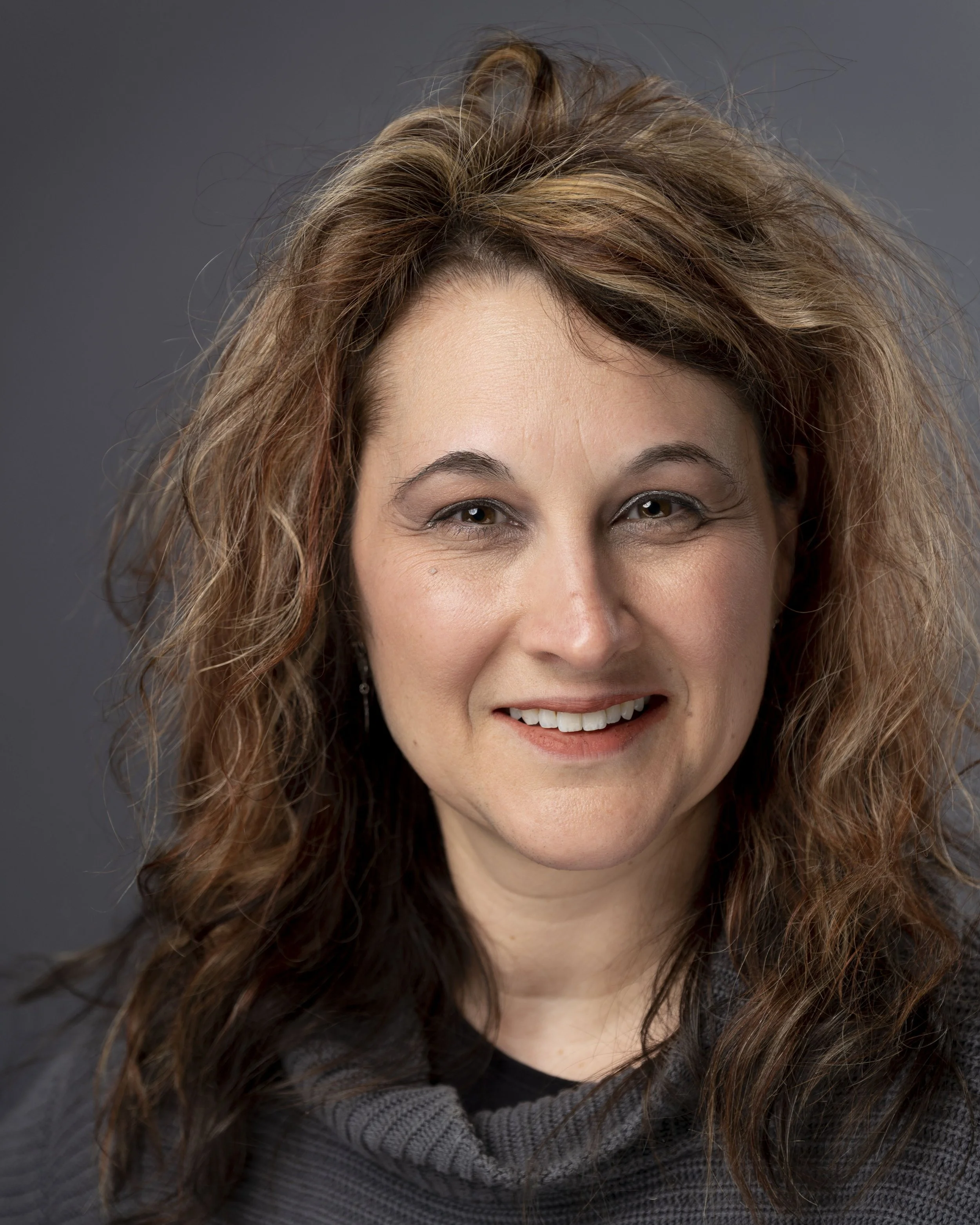
Amy Hartman is a survivor of over 3 decades of spiritual abuse and over 2 decades of clergy abuse. Having walked out of a high-control religious system disguised as a church, she has a passion for telling her story in order to connect with and inspire others to find their own way. She serves her community in her volunteer work and in her occupation as an Ombuds. She practices the tenets of transformative mediation in an effort to help parties find and use their voices – something she was not free to do for so long.
Disclaimer:
The views, thoughts, and opinions expressed in guest blog posts are those of the individual authors and do not necessarily reflect the positions of the Religious Trauma Network. We recognize that each person’s healing journey is unique, personal, and courageous. The stories shared here belong solely to the contributors, and their experiences, perspectives, and advice may not apply to everyone. We encourage readers to honor their own paths and seek professional support as needed.