
Survivors Explain How Systemic Healing Starts With You
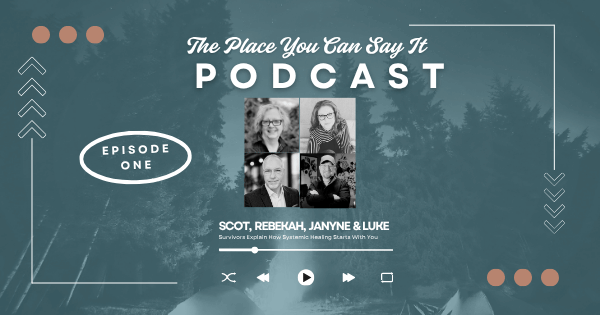
Welcome to The Place You Can Say It, a podcast from the Religious Trauma Network. If you've ever carried questions you weren't allowed to ask, wounds dismissed in the name of faith, or a story you've struggled to tell, you're in the right place. This is a space for honest conversations about religious trauma, spiritual abuse, deconstruction, recovery, and healing. Whether you're holding onto your faith, rebuilding it, or walking away from it, you're welcome here. Because healing often begins when someone finally listens.
Episode One Overview
It's not just what happened that shaped your religious trauma - it's the systems that continue allowing it to happen. Scot Loyd, Rebekah Drumsta, Janyne McConnaughey, and Luke Renner unpack why healing is so important and why finding your people can change everything.
This inaugural episode of The Place You Can Say It opens with a powerful conversation about the Religious Trauma Network, how the team came together after meeting through The Religious Trauma Symposium hosted at Harvard Divinity School, and why this podcast exists: to give survivors a place to speak freely, safely, and without shame.
From there, the discussion moves into the lived realities behind religious deconstruction - childhood control, high-demand groups, spiritual abuse, trauma that was mislabeled as discipline, and the long process of learning the language to name what happened.
This is essential listening if you've ever felt alone in your questions, if you're rebuilding after spiritual abuse, or if you want a clearer understanding of how trauma, theology, and power collide. Honest, compassionate, and unflinching - this episode makes one thing clear: healing gets easier when you stop hiding and start saying it out loud.
Visit the Religious Trauma Network Resource Page or our personal bios for additional support or resources.
This podcast is not intended to treat or diagnose any condition. This podcast is not therapy.
The authors are not licensed therapists or clinicians. Any advice or opinions given on this site are strictly individual observation and insights based on personal experiences and study. It should in no way take the place of professional assistance.