
The Hardest Conversation
By Dr. Brenda Everett, PhD, LPC, NCC
One of the hardest conversations I have ever had with my daughter was explaining why we weren’t going back to church.
I spent most of her life trying to protect her from the scary, inevitable parts of being human. Like most parents, I knew I couldn’t shield her from everything. Eventually, she would experience disappointment, grief, betrayal and the realization that the world is not always as safe as we wish it were. But I hoped I could delay those lessons. I hoped she would have more time before learning that some people don’t do what they should, and some systems don’t work the way they’re supposed to.
What I never expected was that one of those lessons would come through church.
I grew up in a small Appalachian town where people didn’t lock their doors.
Children ran barefoot through yards and fields. Neighbors knew one another. If someone needed help, people showed up. My grandfather was a pastor, and faith wasn’t something separate from daily life; it was woven into the fabric of who we were.
As a child, I believed the world was fundamentally safe.
I trusted pastors.
I trusted authority.
I trusted rank.
I trusted the church.
I trusted that if something terrible happened, the people entrusted with caring for others would know what to do.
I didn’t understand then how painful it would be to lose that.
The first crack came when I was nineteen.
During my first military deployment, I was sexually assaulted by a senior enlisted service member. Overwhelmed by shame and unsure what to do, I went to a chaplain. I believed I was going to someone who represented safety.
Instead, I was asked whether I really wanted to take a “good soldier” off the battlefield.
The question wasn’t shouted. It wasn’t openly hostile. But before I had finished telling my story, I was already being asked to weigh someone else’s future against my own pain.
I left carrying more than the trauma of the assault.
I left carrying the question of whether my experience mattered at all.
I learned to be careful with vulnerability. I learned to question my own perceptions. I learned that speaking up did not always lead to safety.
For many years, I told very few people what had happened.
Life moved forward. I built a career. I became a wife. I became a mother.
And like many parents, I wanted my children to inherit a safer world than the one I had experienced.
Then came a season that challenged everything I thought I knew about safety.
My husband was deployed. A frightening event occurred at our home. My children witnessed things no child should have to witness.
In the aftermath, I found myself wrestling not only with what had happened, but with how people responded to it. Once again, I confronted a painful reality: sometimes the people we expect to protect or help us don’t respond the way we hope.
Neither my daughter nor I emerged from that season unchanged.
As a therapist, I understand trauma responses. I understand hypervigilance. I understand how a nervous system adapts after frightening experiences. But understanding trauma professionally and living through it personally are two very different things.
In the months that followed, I searched for stability and community. For nearly a year, I attended a church that felt like home. One sermon moved me deeply. The pastor spoke about returning home, and after years of complicated experiences with faith, I felt something soften inside me.
Eventually, my daughter agreed to come with me.
I was excited. I thought perhaps we had found a place where healing could continue.
A week later, I was explaining why we wouldn’t be returning.
I was called in for what I was told would be a brief conversation. Instead, I walked into an office and found two people who barely knew me waiting with a list of concerns. Motives were assigned to me that I didn’t recognize in myself. When I said I was uncomfortable and wished my husband were present, that too became part of the problem.
I sat there thinking: “How can you be so certain about who I am without being curious enough to find out?”
The details of that room matter less to me now than what it represented.
It felt like being nineteen again.
Authority figures drawing conclusions before truly knowing me. And me, once again, walking away, wondering, maybe they’re right. Maybe I’ve missed something. Maybe I am the problem.
Trauma teaches us to distrust our own experiences. It is one of its cruelest lessons.
And then came the conversation with my daughter.
How do you explain that the place you thought was home no longer feels safe? How do you explain that people can sincerely believe they are helping while still causing harm? How do you teach a teenager about faith when some of her most significant experiences with authority have been confusing, painful, or frightening?
I worried about what she would take from all of it.
The answer I eventually arrived at was more complicated than I expected.
I told her that people are human. Pastors are human. Chaplains are human. Leaders are human. Titles do not guarantee wisdom. Positions do not guarantee safety. Authority does not guarantee trustworthiness.
Trust, I told her, is earned through humility, curiosity, accountability, and care.
I want her to know that healthy communities make room for questions. Healthy leaders make room for disagreement. Healthy relationships make room for people to be fully human.
And healthy love never requires someone to abandon themselves to belong.
People often assume religious trauma means losing faith. That was never quite it for me.
Losing faith is about belief, about God, doctrine, whether the things you were taught are true. What broke in me wasn't belief. It was trust. I still believed. What I grieved was the loss of a world I thought existed.
A world where authority could be trusted.
Where spiritual leaders protected the vulnerable.
Where being known came before being judged.
Where honesty was welcomed instead of feared.
That grief is real.
But so is what comes after it.
Today, I still believe in compassion. I still believe healing is possible. I still believe people can grow.
What has changed is where I place my trust.
Not in titles. Not in rank. Not in authority alone. But in people who demonstrate that through their actions, not their positions, humility, accountability, curiosity, and care.
The little girl who ran barefoot through an Appalachian town believed the world was safe because the people around her were trustworthy.
The woman I am today knows something harder and truer.
But she has not lost her hope.
If there is one thing I want my daughter to carry forward, it is this: your worth is not determined by whether someone in authority understands you. Your voice matters. Your experiences matter. And no community, religious or otherwise should ever require you to abandon yourself to belong.
That is the world I am building for her.
And that, I’ve come to believe, is part of my healing too.
About the Guest Author:
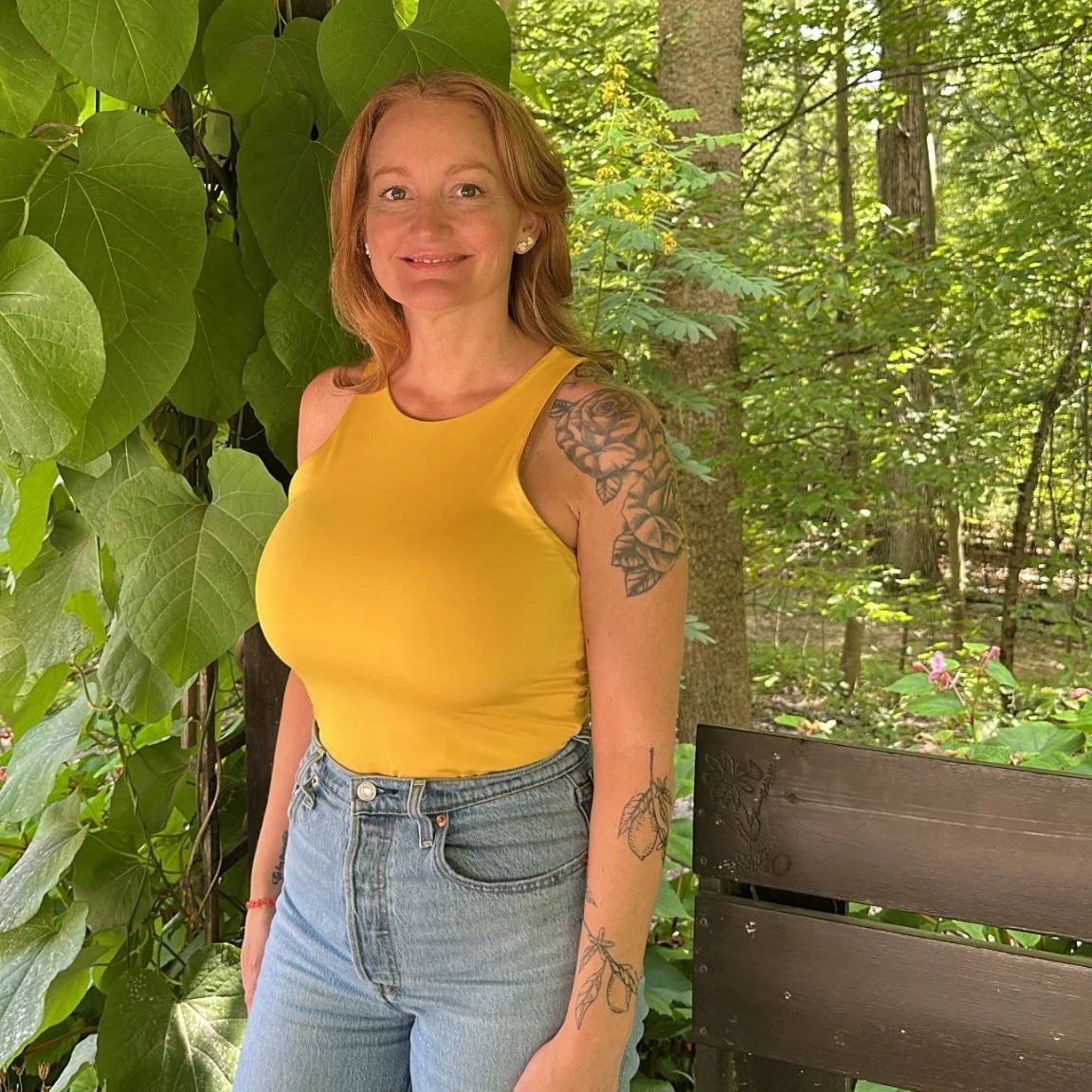
Dr. Brenda Everett is a group counseling practice owner, therapist, military veteran, and mother in rural West Virginia. Raised in Appalachia, she writes about trauma, healing, faith, belonging, and resilience, drawing from both professional experience and her own journey of recovery and growth.
Disclaimer:
The views, thoughts, and opinions expressed in guest blog posts are those of the individual authors and do not necessarily reflect the positions of the Religious Trauma Network. We recognize that each person’s healing journey is unique, personal, and courageous. The stories shared here belong solely to the contributors, and their experiences, perspectives, and advice may not apply to everyone. We encourage readers to honor their own paths and seek professional support as needed.