
Belonging Was Never Supposed to Be Conditional
by Lori Williams
I keep listening to their conversations, driving by their buildings and church signs, and they are reminders that I do not belong. For someone who came into the world as an adopted child who didn't belong, this has been the hardest thing. I remember the days when my whole life was inside those buildings, when I got up every Sunday morning dressed in my best clothes and sang songs from my heart. I sat behind a desk during the week and was the communication hub for the whole church — I was the person people reached out to for whatever was going on. It made me feel a part of something, a family who valued me. And when I lost that job because the church could no longer bear to be reminded of the abuse I experienced from the pastor, it was just all too much.
The reminders are salt poured into a very old wound that refuses to close, because somewhere inside of me has believed for as long as I can remember that I will never belong, like there is something so wrong with me that my own mother abandoned me. I've known since I could understand words that I was adopted. My biological mother gave me up right after I was born. I felt like I didn't belong before I had language for it.
Here's the truth about that wound, with church trauma piled on top — it's one that might never fully close, which is why visiting Newfoundland two years ago felt like something inside me found a comfort I'd never known. My biological grandmother was born there and several generations of family before her. It was in the culture and the nature — I met people from other places who lived and thrived there even though they weren't born there, and the Newfoundlanders I did meet were so welcoming and curious about my life. It was unlike anywhere I'd ever been, and it resonated with something already in me. I've had a natural tendency, for as long as I can remember, to gravitate toward the new person at school or at church. I'd also been drawn my whole life to rocky coastlines and lighthouses, without understanding why. But in Newfoundland, so much made sense about who I am.
It helped me understand that belonging is never conditional. It doesn't require me to be who others need me to be — it just is. And that experience is what helps the most when I'm reminded of the losses.
Recently, I was going over some homework my husband's therapist gave him. It talked about having just one safe person, or one support group. That stood out to me, because after we lost our church community, I think we kept looking for it again. I've realized after all these years that finding a replacement for what we lost was unrealistic for us. It was too overwhelming, because there were too many people — people whose faces our brains saw as the same people who didn't understand the abusive relationship with church leadership. People who tried, in the ways they could, to bring relief to our pain, but only added to it.
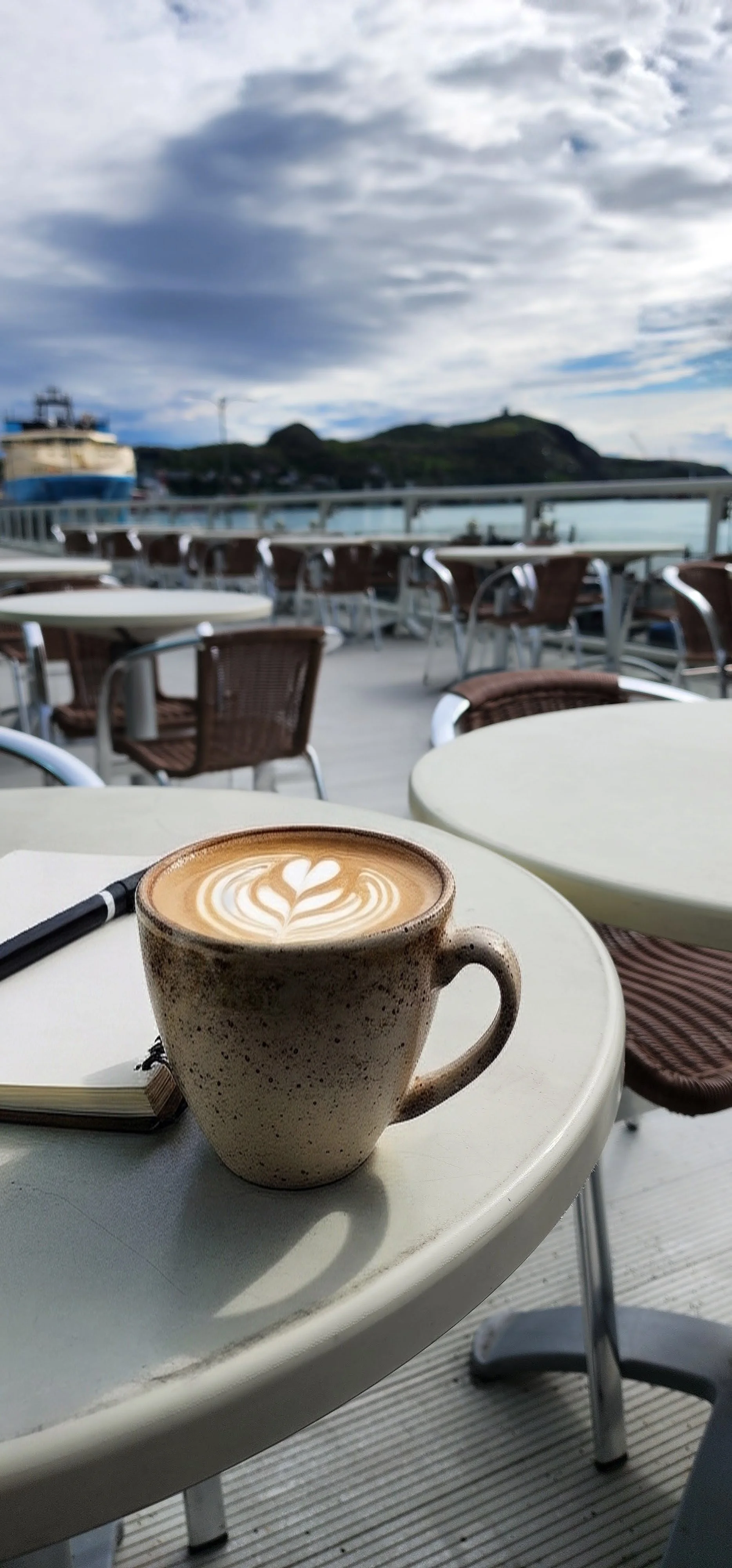
Photo Provided by Lori Williams
Thankfully, in our efforts to find community again, I met one safe person. Someone who didn't try to make my pain better with scripture verses, or telling me she'd pray, or that I needed to forgive and move on. Someone who'd suffered her own losses, and who knew how to sit and listen with the patience of Job, without talking about Job at all. She modeled the nonjudgmental, patient care of Jesus, and she wasn't trying to be like Jesus at all. She was just showing up as someone who had done her own grieving, and didn't need to understand everything I'd been through to be there for me in the right way. I haven't realized until recently just how much I've needed her these past few years. Even though she's given her heart to being a church leader, she's sat and listened to my cynicism toward an institution she loves. That's true friendship.
But it hasn't been that easy with others. People in my life who I know care, but who've triggered me in one way or another, and I haven't known how to move past it. Leaders in secular groups who have tried to convince me to do things I wasn't ready to do. Facilitators who shared about their own spiritual experiences and caused my nervous system to send out red flags where there wasn't a tidal wave coming. I didn't lose these relationships, but I had to back away, because it felt like all too much — and it surprised me, because I thought I was further along than I was. But I'm not.
Hearing the words of my husband's therapist helped me realize that sometimes all we need is a handful of people, or maybe even just one. Maybe recovery looks more like the island of misfit toys — finding community in online Zoom rooms, where we talk about how trauma has impacted our bodies and minds and how we still struggle with that. Rooms with no leaders, where we just hold space for each other as peers. These groups have become my safe spaces, even though they aren't people I gather with every Sunday — and sometimes I really wish they were, because I miss the weekly contact, the friends, the music, the dinner on the grounds. It's not that way for me anymore, and I think that sadness will stay with me. But that doesn't mean community isn't possible — it just might be different.
Living where I do, where people still find comfort in those gatherings, I have friends I've tried to pour my heart out to, and in the process, it hurt them — because those gatherings provide an anchor in their storm, and I'm not on their boat. According to their beliefs, that means I'll remain on the outside of true fellowship, lost until I find my way back home.
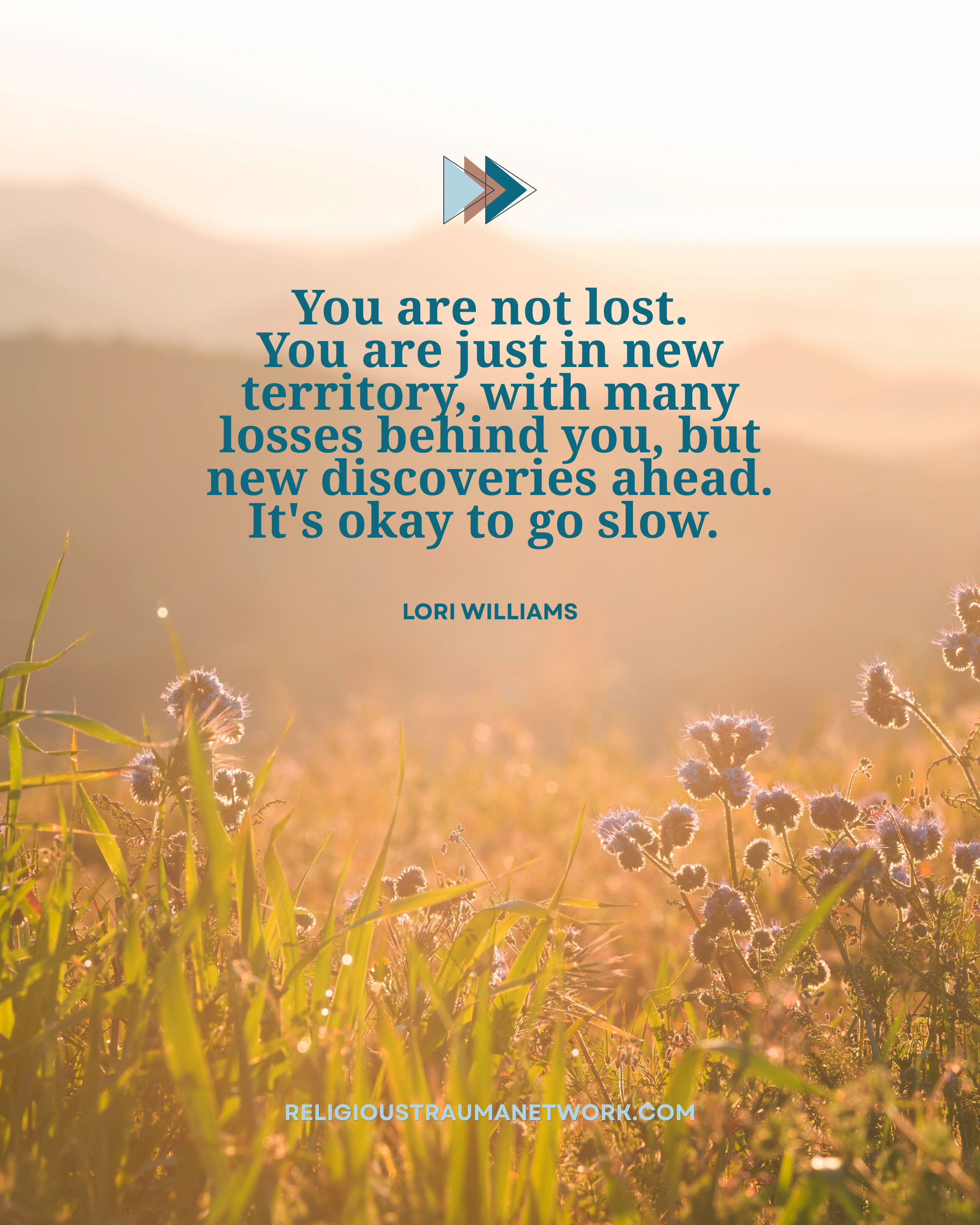
But I'm here to tell you: if you are reading this and struggling in these ways, you are not lost. You are just in new territory, with many losses behind you, but new discoveries ahead. It's okay to go slow. It's okay to take a deep breath and spend time alone, to pay attention to the tiniest things that spark pleasure, and soak them up in the moment — because sometimes fellowship is right in front of our faces, it just doesn't look the way we were taught it did. We learned, over and over, that God doesn't change, and that we should not forsake the gathering of ourselves together. But God still meets us wherever we are — and fellowship can be outside of wooden pews and stained-glass windows, in coffee shops, in forests filled with the sounds of birds and rushing water, or inside a tiny office in front of a camera with friends in other parts of the world.
Communities like the Religious Trauma Network have become part of that new territory for me — a place where the losses are understood without needing to be explained, and where healing doesn't come with conditions attached.
I share this not because I have it all figured out, but because I'm still learning to trust my own voice after years of being told it wasn't mine to trust. I'm a trauma-informed peer support practitioner now, in part because of everything this journey has taught me — and I believe that healing doesn't require us to have all the answers, only the willingness to keep telling the truth, one honest sentence at a time.
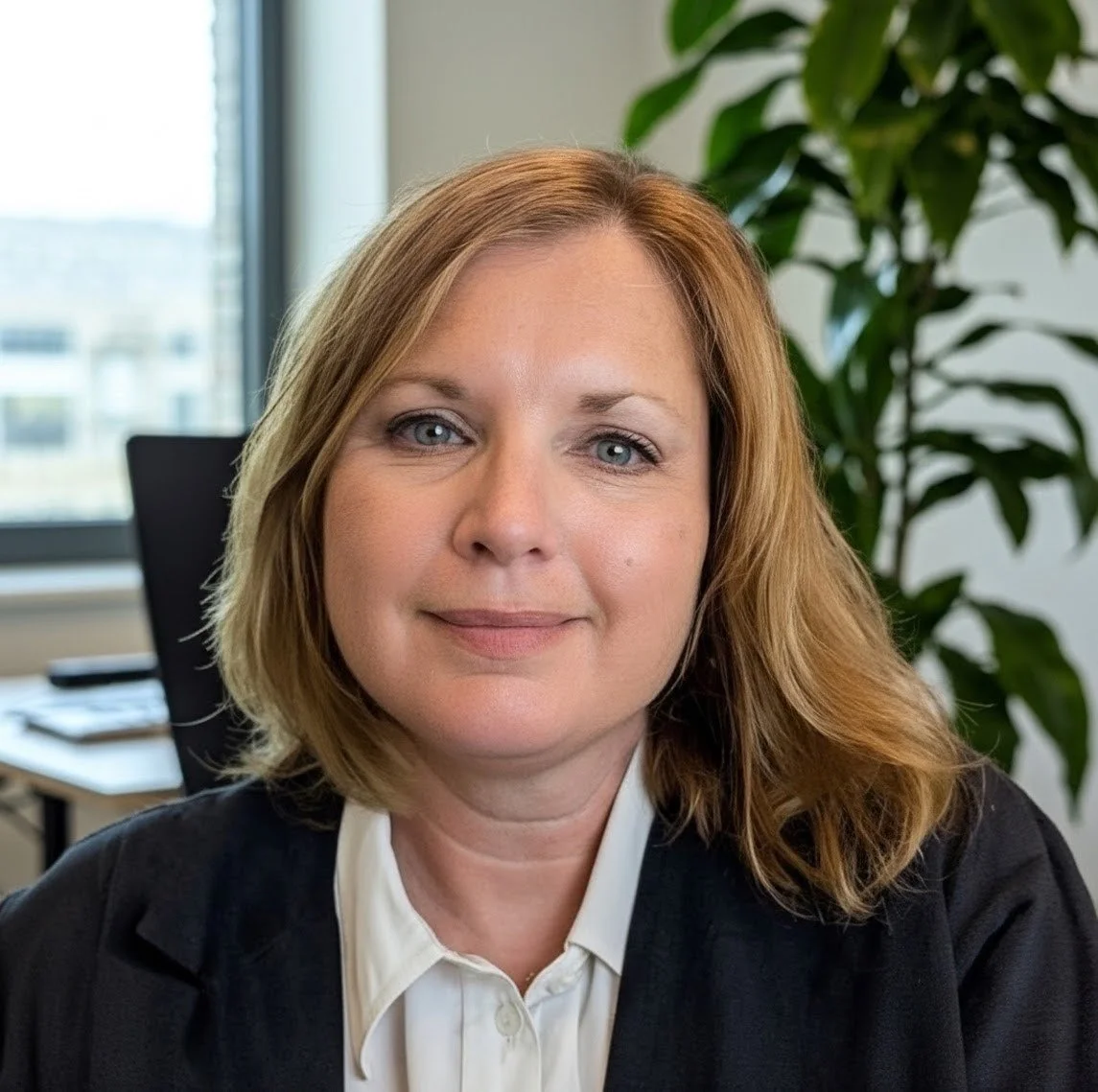
About the Guest Author:
Lori is a GTI Certified Trauma Care Practitioner, peer support facilitator, and writer based in Tennessee. She offers trauma-informed peer support to people recovering from high-control religious environments and childhood trauma. She writes to help people find language for experiences that were never fully theirs to name — and to remind them that the blame was never supposed to be theirs to carry alone.
Disclaimer:
The views, thoughts, and opinions expressed in guest blog posts are those of the individual authors and do not necessarily reflect the positions of the Religious Trauma Network. We recognize that each person’s healing journey is unique, personal, and courageous. The stories shared here belong solely to the contributors, and their experiences, perspectives, and advice may not apply to everyone. We encourage readers to honor their own paths and seek professional support as needed.